Every child learns in a rhythm that can’t be rushed without consequences. When adults expect uniform progress, children often begin to equate learning with pressure instead of discovery. A pace-respecting approach treats growth as a living process: sometimes quick, sometimes quiet, always meaningful. The goal is not to slow learning down, but to let understanding take root so confidence can rise with it.
Why pace matters more than speed
Speed can look impressive, yet it often hides shaky foundations. When a child is hurried, they may memorize steps without grasping the “why,” and small gaps compound over time. In contrast, honoring a natural tempo allows repetition, reflection, and gradual mastery. In the second or third attempt, many children suddenly connect ideas that once seemed confusing because they had space to process, not because someone pushed harder.
Building trust through consistent support
Every child has a natural curiosity and a desire to try things for themselves. That curiosity flourishes when children feel safe, guided with patience, and supported by predictable routines. In such an environment, challenges become exciting opportunities, and mistakes are stepping stones, not setbacks.
Parents who want to give their child a strong foundation for confidence, independence, and a lifelong love of learning can join Chitrakoota Montessori today, helping their child step into a nurturing environment where curiosity is celebrated, resilience is strengthened, and each small success builds a brighter future.
The environment is a quiet teacher
A thoughtfully prepared space teaches without constant talking. Materials placed at a child’s height, orderly shelves, and a calm layout invite independent choice. Instead of relying on reminders and corrections, the setting itself encourages focus and care. Children learn to return items, complete a task, and select what comes next, habits that support attention and self-management while letting each learner move forward when ready.
Practice that feels like discovery
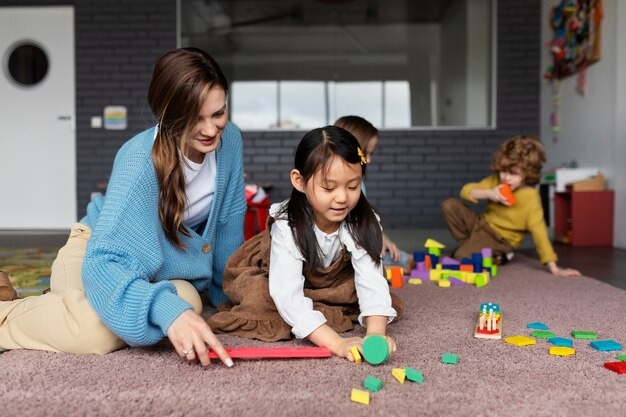
Children thrive when practice is engaging rather than repetitive in a dull way. The right activities naturally include repetition, but they feel purposeful: pouring, sorting, building patterns, matching sounds, or refining hand movements. These experiences strengthen concentration and coordination while reinforcing early reasoning. With time, small improvements compound into visible progress, and the child experiences the satisfaction of competence that comes from genuine effort.
Gentle structure that protects curiosity
Freedom without guidance can overwhelm, while strict control can dull curiosity. Pace-respecting learning blends choice with clear limits that protect everyone’s work time. A child can select tasks that match their readiness, yet they are also guided to finish what they start and treat others respectfully. This balance reduces power struggles and supports internal motivation. Children learn because they want to, not because they fear consequences.
Measuring progress without pressure
Not every sign of growth shows up in a worksheet. Confidence, persistence, and the ability to explain thinking are powerful indicators that a child is maturing as a learner. When adults watch closely and document observations, they can respond with the next right challenge rather than a one-size-fits-all assignment. This is where true academic benefits appear: stronger comprehension, steadier focus, and skills that hold up in new situations, not just in familiar drills.
Lessons that connect hands, mind, and language
Children remember what they can touch, manipulate, and express. When learning includes movement and sensory experiences, it supports deeper understanding, especially for complex ideas. Many classrooms organize work into purposeful sequences that act like educational modules, helping children build from simple concepts toward more advanced ones without skipping essential steps. The child experiences learning as a connected pathway, which reduces confusion and increases confidence.
Growing socially at an individual pace
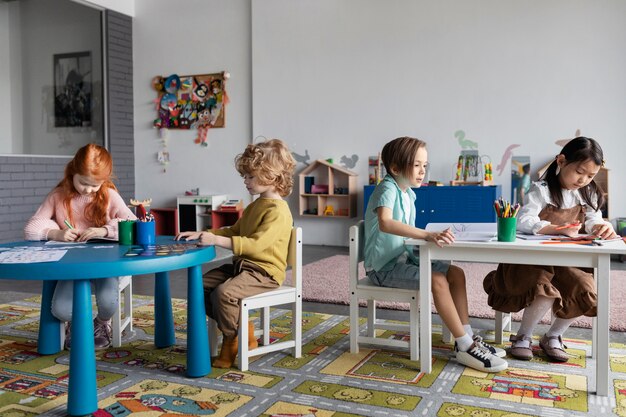
Social development also follows a personal timeline. Some children jump into group interactions; others observe first and join later. A pace-respecting approach teaches communication, turn-taking, and empathy through daily routines and real conflicts handled with guidance. Group discussions can extend into culture and community topics, and a thoughtfully introduced thread, like social studies, can become a natural bridge between personal experience and the wider world without forcing performance from children who need more time to speak.
Partnering with families for steady growth
A child’s pace is supported best when school and home send the same message: progress matters more than perfection. Simple habits like reading together without quizzing, inviting children to explain their thinking, and celebrating effort build resilience. Regular check-ins between educators and caregivers also help adults notice patterns: when a child is tired, when a concept clicks, or when frustration signals a need for a smaller step. When adults align on gentle routines and realistic expectations, children feel secure enough to explore, to pause, and to try again. Over time, this partnership reduces anxiety and creates continuity, so learning feels like a natural part of life rather than a performance.
Conclusion
Respecting a child’s natural pace is not about lowering expectations; it’s about choosing expectations that are humane, realistic, and deeply effective. When learning is built on trust, supportive structure, hands-on exploration, and patient observation, children develop more than skills; they develop a steady belief in their own ability to grow. Over time, that belief becomes the engine that carries them through harder work, bigger questions, and the lifelong journey of learning with confidence.




Leave a Reply