When students live and learn together, the experience goes beyond textbooks and classroom routines. Shared living arrangements create a powerful environment where young people can develop self-reliance, empathy, and a sense of belonging. These benefits often translate into better academic performance and stronger emotional well-being, as students support each other through the daily challenges of school life. This article explores how communal living and learning can shape a student’s growth in meaningful ways.
Building Stronger Study Habits
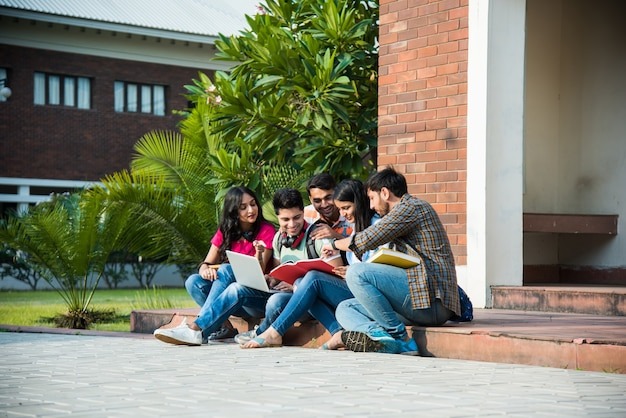
Living with classmates encourages students to develop consistent routines. When peers wake up early, attend classes, and study together, it naturally influences others to adopt similar habits. Students often form study groups that help them stay accountable and motivated. These groups can become a space for sharing ideas, comparing notes, and discussing difficult concepts, which helps to reinforce learning and improve retention. As students learn to manage their time, they also gain a deeper understanding of what it takes to stay disciplined and focused.
Developing Emotional Resilience
Sharing a living space means students face real-life challenges together, such as conflicts, stress, and personal setbacks. When these situations occur, students learn to navigate emotions and solve problems through communication. Over time, they develop emotional resilience, which is essential for long-term success. Living among peers teaches them to express their feelings constructively, accept feedback, and find ways to cope with pressure. This emotional strength often carries over into academic settings, helping students stay composed during exams or challenging assignments.
Encouraging Peer Mentorship
One of the most significant advantages of staying and studying together is the natural emergence of peer mentorship. Older or more experienced students often support younger classmates by explaining concepts, offering study tips, or simply being a listening ear. This mentorship builds confidence for both parties. The mentor gains leadership experience and a sense of responsibility, while the mentee receives guidance and encouragement. Over time, this dynamic strengthens the community and fosters a supportive learning environment where students feel safe to ask questions and take academic risks.
Improving Social Skills Through Daily Interaction
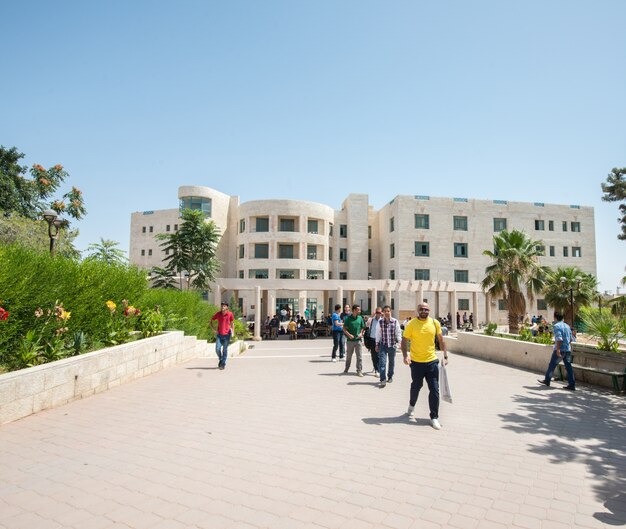
Daily interaction with peers helps students refine their social skills in a way that classroom settings alone cannot. Shared living spaces require students to cooperate, negotiate, and respect boundaries. These experiences teach them how to communicate clearly, resolve disagreements, and work as a team. Such skills are valuable not only in school but also in future workplaces and personal relationships. Students learn to listen actively, consider different viewpoints, and build connections with others, skills that become essential for success in any field.
Enhancing Cultural Awareness
When students from diverse backgrounds live together, they are exposed to new traditions, perspectives, and ways of thinking. This exposure promotes cultural awareness and tolerance, helping students become more open-minded and inclusive. They learn to appreciate differences and understand the value of diverse viewpoints. Over time, this can reduce biases and strengthen a sense of unity among peers. Such an environment encourages students to become global citizens who are prepared to engage respectfully with people from various cultures.
Strengthening Academic Confidence
Students who study together often gain confidence in their academic abilities through collaboration and mutual support. When classmates explain concepts to one another, they reinforce their own understanding while helping others grow. This shared learning builds a sense of competence and achievement. Additionally, students often feel more comfortable asking questions in a supportive group, which encourages curiosity and exploration. This confidence can be especially valuable for students who may feel intimidated in larger classroom settings.
Promoting a Balanced Lifestyle
Staying and studying together can help students maintain a balanced lifestyle that includes academics, recreation, and self-care. Living with peers often means sharing responsibilities, such as household chores and time management, which encourages students to be organized and disciplined. At the same time, students can enjoy social activities, sports, and hobbies together, which helps reduce stress and build friendships. This balance is essential for overall well-being and helps students avoid burnout during demanding academic periods.
Supporting Personal Growth and Independence
Living away from home teaches students to take responsibility for their daily lives. They learn how to manage finances, plan meals, and handle household tasks. These responsibilities build independence and prepare students for adulthood. Students also gain confidence in making decisions, solving problems, and handling unexpected situations. As they navigate life outside their family environment, they develop a stronger sense of identity and self-reliance, which can have a lasting impact on their future success.
Enhancing Learning Through Innovative Teaching Styles
When students share learning spaces, teachers and staff can design educational experiences that take advantage of collaboration and interaction. This often includes modern teaching methods that emphasize active learning, problem-solving, and real-world application. In these settings, students benefit from dynamic learning experiences that encourage participation and creativity. As a result, students become more engaged and better prepared to apply their knowledge in practical situations.
A Real-Life Example of Community Learning
Some schools offer opportunities for prospective students to explore this living and learning environment firsthand. For families considering such options, it can be helpful to book a campus visit at Chanung Unacco School to observe how students interact, study, and grow together. Visiting a campus provides insight into the daily routines, support systems, and academic culture that contribute to student development. It also allows students to envision themselves in a community where learning extends beyond the classroom.
The Value of Inclusive Learning Opportunities
When a school community embraces diversity and provides equal access to learning, students feel valued and supported. Inclusive education programs help create an environment where every student can thrive, regardless of their background or learning needs. This type of community encourages empathy, mutual respect, and collaboration. Students learn to appreciate different strengths and support one another, which strengthens the overall learning culture.
Encouraging Confidence Through Supportive Instruction
Students who study together often benefit from teachers who focus on building self-esteem and motivation. Teaching for confidence helps students believe in their abilities and take on challenges without fear of failure. When teachers emphasize growth and effort, students feel empowered to try new things and explore their potential. This supportive approach helps students develop a positive mindset and a stronger sense of purpose.
Conclusion
Living and studying together offers a powerful blend of academic, social, and emotional benefits. Students gain valuable life skills such as time management, communication, and independence, while also building strong friendships and a sense of community. The shared experience encourages resilience, confidence, and personal growth, preparing students for future challenges. In a supportive environment where learning extends beyond the classroom, students are more likely to thrive and achieve their full potential.




Leave a Reply