
In an increasingly complex world, strong problem-solving abilities are invaluable in both professional and personal contexts. A graduate degree in chemistry, such as a Master of Science in Chemistry, not only provides in-depth knowledge of chemical principles but also fosters critical thinking and analytical skills that are essential for solving intricate problems. This post explores how pursuing advanced studies in chemistry cultivates these vital skills and prepares graduates to tackle real-world challenges across a variety of fields.
Cultivating Critical Thinking Through Complex Concepts
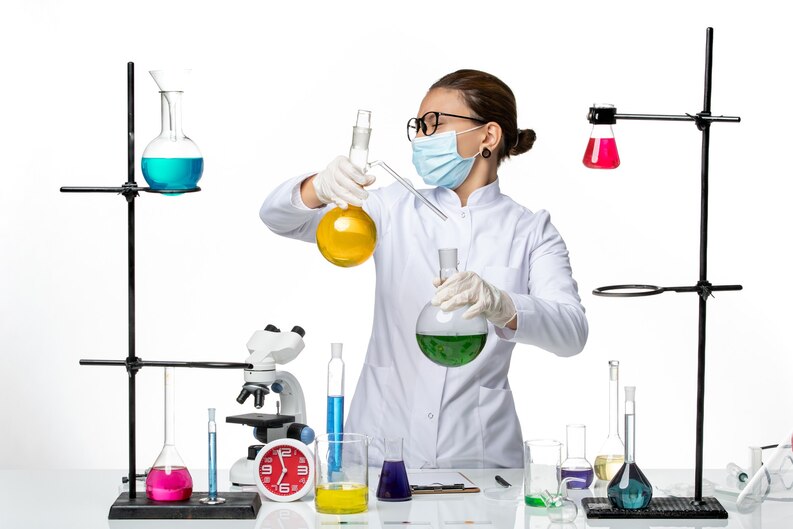
A graduate program in chemistry, particularly a Master of Science in Chemistry, delves deeply into intricate concepts that demand a high level of critical thinking. Students are required to understand and apply theoretical knowledge to practical problems, which reinforces their ability to analyze situations from multiple angles. This rigorous academic environment challenges students to evaluate experimental results, identify patterns, and synthesize information to draw sound conclusions. As they engage with challenging coursework, students learn to break down complex problems into manageable parts, allowing them to devise coherent strategies for resolution. This analytical mindset is not only instrumental in laboratory settings but is also applicable to many other disciplines and real-life scenarios.
Emphasizing Experimental Design and Methodology
One of the most significant aspects of advanced chemistry education is the emphasis on experimental design and methodology. Graduate students are often tasked with developing their experiments, requiring them to formulate hypotheses, select appropriate methodologies, and analyze the resulting data. This immersive experience cultivates a rigorous approach to problem-solving that extends beyond the laboratory. Students learn to recognize potential pitfalls in their experimental designs and develop contingency plans to address unexpected results. The ability to adapt to new information and modify approaches underscores the importance of resilience and creativity in problem-solving, skills that are beneficial in any professional context.
Applying Mathematical Concepts to Chemical Problems
Chemistry is inherently quantitative, and graduate study demands a strong command of mathematical principles. Students learn to apply various mathematical techniques, from basic algebra to advanced calculus, to solve chemical problems. This quantitative aspect of chemistry requires students to think logically and systematically, ensuring that they consider every variable in a given problem. Developing proficiency in these mathematical applications empowers students to tackle complex equations and understand intricate relationships between different chemical entities. As graduates transition into professional roles, their enhanced mathematical skills equip them to analyze data accurately and make informed decisions based on statistical evidence.
Encouraging Collaboration and Communication Skills
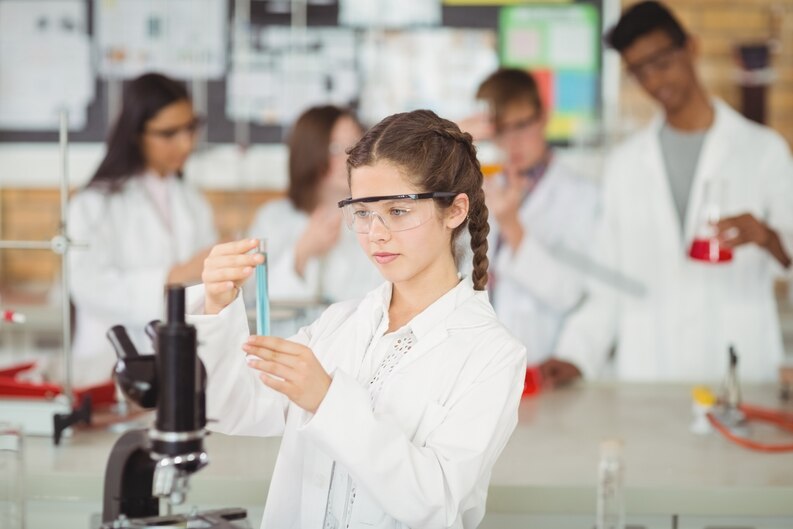
Collaborative work is an integral component of any graduate chemistry program. Students often engage in group projects, lab work, or research collaborations that require effective teamwork and communication. This collaborative environment fosters interpersonal skills as students learn to articulate their ideas convincingly and listen actively to the contributions of others. The necessity to convey complex scientific concepts clearly to diverse audiences translates into strong communication abilities, a crucial aspect of problem-solving in any field. Whether working in a corporate setting or engaging with community stakeholders, effective communication ensures that solutions can be understood, accepted, and implemented.
Bridging Theory and Practice in Real-World Applications
One of the most powerful aspects of a graduate degree in chemistry is the opportunity to bridge theoretical knowledge with practical applications. Through internships, research, and real-world projects, students apply their classroom learning to solve pressing issues, such as environmental challenges, pharmaceutical developments, and technological innovations. This practical experience helps students to see the relevance of their studies in real-world contexts and empowers them to address complex problems with confidence and creativity. Graduates emerge from their programs equipped not just with knowledge, but with hands-on experience that enhances their problem-solving capabilities and prepares them for the demands of the workforce.
Conclusion on the Importance of Problem-Solving Skills
Pursuing a graduate degree in chemistry significantly enhances one’s problem-solving abilities through a multifaceted approach that combines critical thinking, experimental design, and practical applications. The rigorous academic environment cultivates a mindset geared toward analytical reasoning, while the collaborative nature of the field fosters essential communication skills. Additionally, the quantitative focus of chemistry education equips graduates with the mathematical tools needed to address complex problems effectively. As graduates transition into various professional realms, the skills acquired through their studies not only prepare them to tackle today’s urgent challenges but also position them as innovative thinkers who can contribute meaningfully across a wide array of disciplines. Emphasizing the importance of problem-solving in the context of advanced chemistry education ultimately underscores the relevance of such programs in shaping capable professionals ready to make a difference in society.





Leave a Reply